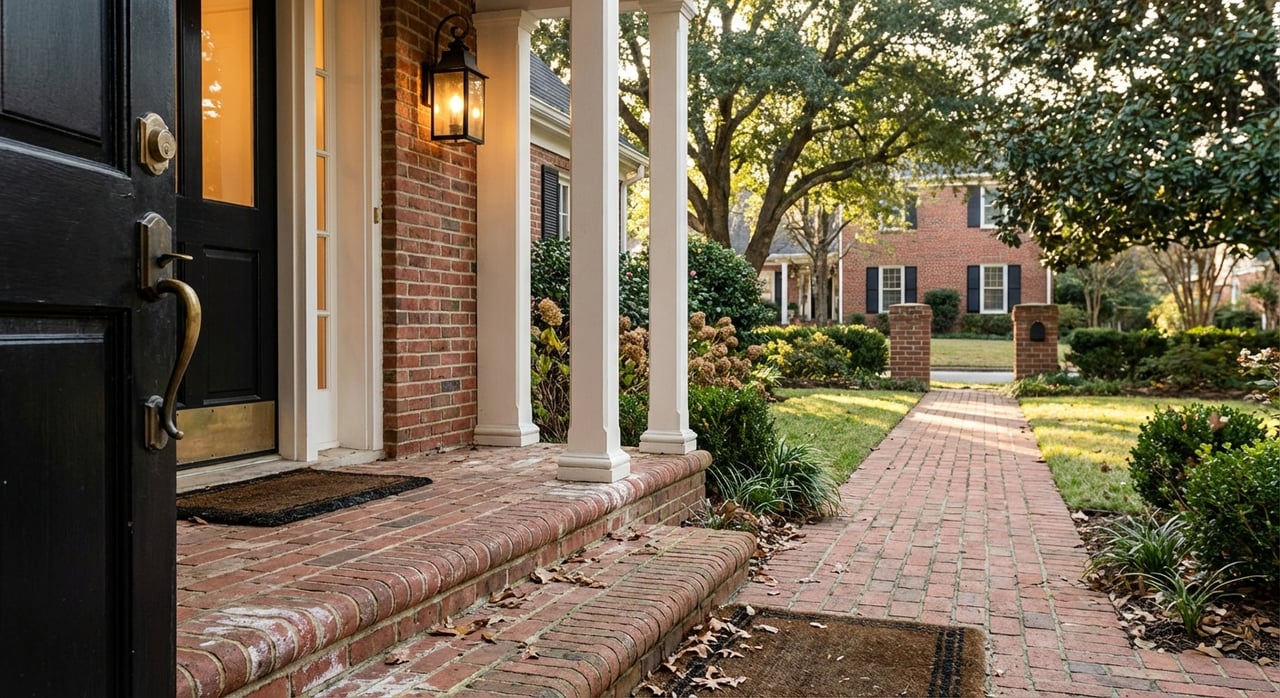
Selling in River Oaks is different. Luxury buyers shop with care, value privacy, and expect a polished experience from first photo to final walk‑through. If you want to maximize your price and protect your time, you need a clear plan that blends data, design, and discretion. This guide walks you through timing, pricing, prep, privacy, and legal steps tailored to River Oaks so you can move with confidence. Let’s dive in.
River Oaks market, explained
River Oaks sits in East Memphis with a mix of higher‑value single‑family homes and a handful of seven‑figure estates. You see everything from classic brick homes to larger properties with pools and outdoor rooms. Because the neighborhood includes both modest homes and large estates, neighborhood medians on consumer sites can look inconsistent. For pricing, you should rely on a current, MLS‑based comparative market analysis that pulls true peers by lot size, square footage, updates, and micro‑location.
When you prepare to sell, focus on price per square foot and recent closed sales that mirror your home’s profile. Active inventory at or near your price point also matters because it shapes buyer choice and time on market. Your strategy should reflect both the data and how your property presents in person.
Price and timing for top results
- Aim your launch for late winter through spring when possible. Nationally, February through June often produces stronger seller premiums and faster sales, with May and June frequently leading results. See the national timing context in this overview of the best time to sell a house, then confirm with a local CMA.
- For luxury, right‑pricing matters more than ever. Overpricing can stall momentum and invite larger discounts later. Consider either a precise market‑aligned price to build immediate credibility or a slightly conservative price to encourage competition if supply is tight.
- Discuss contingencies and net‑sheet scenarios before you list. Model how pricing shifts, concessions, and days on market could affect your bottom line so you can make clear decisions when offers arrive.
Prep that protects value
- Get ahead of inspections. A pre‑listing inspection or targeted checks for roof, foundation, HVAC, pool, and other major systems can reduce renegotiation risk and strengthen your disclosure package.
- Fix or certify the big items. Repairing known issues, or presenting recent service and warranties, helps buyers feel confident and preserves price.
- Create a clean canvas. Declutter, touch up paint, replace burned‑out bulbs, and make sure doors, windows, and locks operate smoothly. Small details shape a buyer’s first impression.
Staging and visuals buyers expect
Luxury buyers purchase lifestyle as much as square footage. Professional staging and high‑quality visuals consistently help homes sell faster and for more money, which aligns with findings in the NAR report on home staging.
Prioritize:
- Professional photography, including daylight and twilight sets.
- Aerial images and a short drone clip where allowed, plus a polished cinematic video.
- A 3D virtual tour and dimensioned floor plans for clarity on flow and scale.
- A dedicated property website and downloadable brochure for broker packets.
Stage the rooms that sell the house: living or great room, kitchen, primary suite, and main outdoor entertaining spaces. Script specialty spaces like a theater, wine room, or gym in the marketing narrative, even if lightly staged.
Privacy‑first showings that still sell
High‑end listings often use controlled access without giving up exposure.
- Use invitation‑only previews for top brokers and pre‑qualified buyers. Requiring proof of funds or a lender pre‑approval keeps traffic focused and protects your time.
- Consider a short “private launch” before your MLS live date. Off‑market or limited exposure options exist, but rules apply. Review local MLS participation requirements and the post‑settlement landscape using this NAR settlement update overview.
- Follow safety protocols. Ask your agent to verify IDs, schedule accompanied showings, and follow best practices from resources like these seller showing safety tips.
Legal and tax checklist in Tennessee
- Complete your state disclosure early. Tennessee requires most sellers of 1–4 unit residential properties to provide a property disclosure or allowable alternative. Review the Tennessee Residential Property Disclosure Act and update the form if conditions change before closing.
- Understand the recordation tax. Tennessee collects a deed recordation tax calculated at $0.37 per $100 of consideration. The statute assigns it to the grantee, but who pays can be negotiated at closing. See the law on the state recordation tax.
- Plan for property tax prorations. Tennessee assesses residential property at 25 percent of appraised value, and local millage rates determine the bill. Learn the basics in the state’s property assessment glossary, then confirm your parcel and current bill on the Shelby County Assessor site for accurate prorations.
Always consult your attorney and title company for final figures and how costs are allocated in your contract.
Build a finance‑backed net sheet
A clear net sheet keeps everyone aligned and reduces surprises. Include:
- Expected sale price range and likely days on market.
- Real estate commission, negotiated buyer credits, and any agreed repairs.
- Title, recording, and closing fees, plus the deed recordation tax if applicable to you by contract.
- Property tax prorations to your closing date, HOA dues adjustments, and a conservative contingency for repairs.
Update the net sheet when offers arrive so you compare terms apples to apples.
What great marketing looks like
Ask your agent for a written, itemized plan. Look for:
- Local track record. Ask for River Oaks or East Memphis luxury closings from the last 24 months. Request MLS printouts, average days on market, and sale‑to‑list ratio.
- Creative production. Expect pro photography, twilight sets, drone, cinematic video, 3D tour, floor plans, and a live property website. Ask for campaign metrics like clicks, broker leads, and showing conversions.
- Targeted distribution. Confirm broker preview lists, outreach to relocation channels, and smart digital ads with geotargeting and retargeting. Ask who pays third‑party costs like staging and video.
- Privacy and vetting. Clarify ID and proof‑of‑funds requirements, showing rules, and whether you will run a short private launch before your MLS live date.
- Negotiation and closing. Request examples of how your agent handled appraisal gaps, inspection credits, and timeline management on prior luxury deals.
Red flags include no recent luxury comps, reliance on consumer portal screenshots instead of MLS reports, and no written budget or timeline.
Your 6–18 month plan
- 15–18 months out: Set goals for timing and net proceeds. If relevant, start tax planning and discuss 1031 options with your advisor.
- 6–9 months out: Order inspections, review title and HOA docs, scope major repairs, begin decluttering, and build a staging plan.
- 2–3 months out: Select your agent. Lock the marketing plan and production calendar. Book photography, video, staging, and landscaping.
- 2–4 weeks pre‑launch: Complete staging and exterior refresh. Capture twilight and aerials, finish 3D tour and floor plans, and finalize the property website and broker packet.
- Launch week: Host a broker preview, begin targeted email and ads, and start vetted private showings. Gather feedback and be ready to adjust.
Launch, measure, refine
During the first two weeks, track inquiries, showing volume, and buyer comments about price and presentation. Calibrate quickly if traffic or feedback lags. Small adjustments to staging, lighting, and copy can improve results. If the market signals a price correction, make it decisively and pair it with a fresh marketing push.
Ready to talk?
You deserve a plan that blends finance‑backed pricing with boutique, hospitality‑driven marketing. If you are considering a River Oaks sale this year, let’s map your timing, comps, and net proceeds, then design a private‑to‑public launch that fits your goals. Connect with Carrie Benitone to start your seller strategy.
FAQs
When is the best time to sell a luxury home in River Oaks?
- Late winter through spring often produces stronger seller outcomes nationally, with May and June frequently leading, so use that window if your local CMA and personal timing align and confirm with this seasonality overview.
How should I price a seven‑figure property in River Oaks?
- Anchor pricing to recent closed comps that truly match your lot size, square footage, and finishes, study active competitors, and choose either a precise market‑aligned price or a conservative price that can spark competition when supply is tight.
What disclosures are required for Tennessee home sellers?
- Most residential sellers must provide a property disclosure or allowable alternative before contract acceptance and update it if conditions change, as outlined in the Tennessee Residential Property Disclosure Act.
Who pays Tennessee’s recordation tax at closing?
- The deed recordation tax is calculated at $0.37 per $100 of consideration, and the statute assigns it to the grantee, though in practice contracts can allocate costs differently, so confirm with your attorney and see the state recordation tax statute.
How do private showings work for high‑end listings?
- Your agent can run invitation‑only previews and require proof of funds or pre‑approval, verify IDs, and accompany every showing following seller showing safety best practices, while coordinating MLS exposure in line with current rules noted in this post‑settlement update.
What staging moves matter most to luxury buyers?
- Focus on the living or great room, kitchen, primary suite, and main outdoor areas, and pair polished staging with pro visuals and a 3D tour, which aligns with the NAR findings on staging impact.
