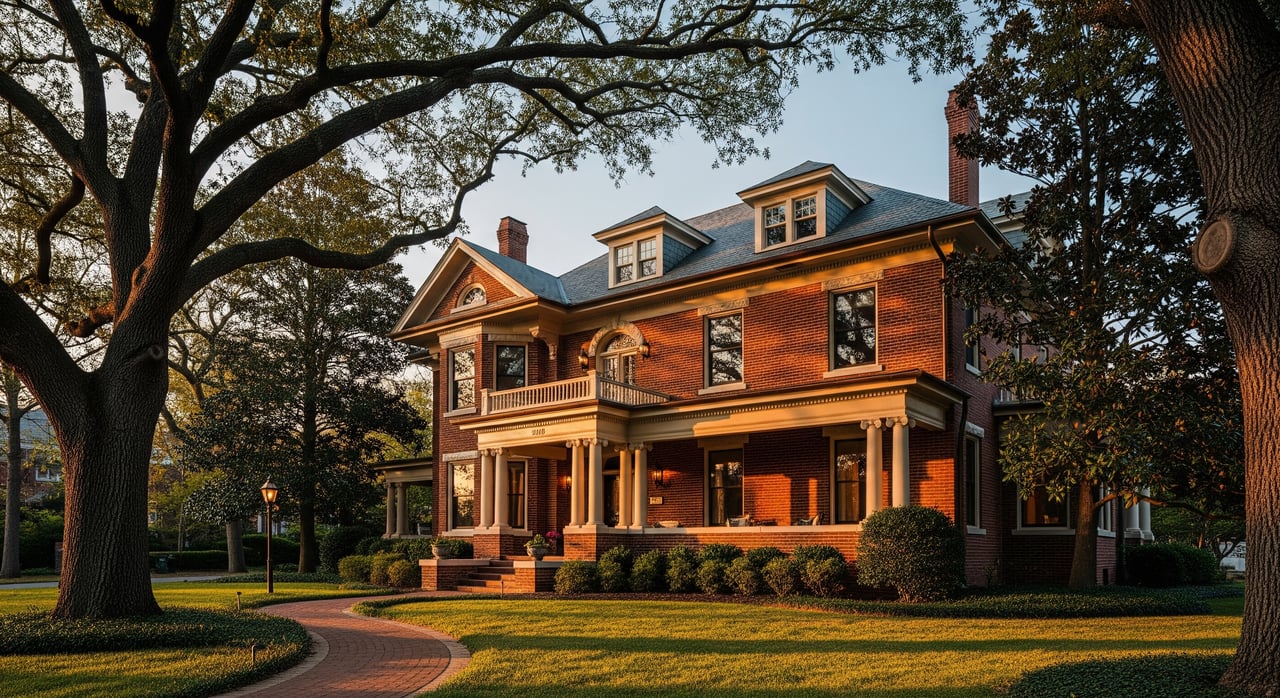
Pricing a piece of Memphis history can feel tricky. You want to honor your home’s character and still meet today’s market. If you are looking at Central Gardens in 38104, you’re in one of Midtown’s most sought-after neighborhoods, where charm, tree-lined streets, and lifestyle drive demand. In this guide, you’ll learn how to price a historic home with confidence using a clear, step-by-step approach that blends market comps, condition, and character. Let’s dive in.
Why Central Gardens pricing is different
Central Gardens attracts buyers who value architectural detail, walkability, and the Midtown lifestyle. Many are move-up buyers or downsizers who want a classic home with modern function. You also see investors who believe in long-term appreciation for notable neighborhoods.
Turnover is limited in older areas, which can keep supply tight. Some properties may fall within an historic overlay that requires review for exterior changes. That protection supports the streetscape many buyers love, but it can add time or cost for visible renovations. It is smart to disclose any design review requirements early in the process.
Broader market forces still matter. Interest rates and local employment affect purchasing power. Homes with strong historic integrity often hold value across cycles, but premiums can compress if borrowing costs rise or if buyers lean toward lower-maintenance new construction.
What buyers reward vs. what they discount
Features that earn a premium
- Authentic period details in good condition, like original millwork, built-ins, fireplaces, and wood floors.
- Coherent historic integrity. A home that reads as of its era, even with tasteful updates, usually outperforms a heavily altered one.
- Location, lot, and streetscape. Porches, mature trees, and consistent setbacks are part of the appeal.
Issues that reduce value
- Deferred maintenance, especially roof leaks, water intrusion, or structural movement.
- Outdated systems such as knob-and-tube wiring, failing HVAC, or cast iron plumbing that needs replacement.
- Incongruent “remuddling” where renovations removed defining features or clash with the home’s style.
- Energy inefficiency or code issues that require immediate upgrades.
Updates with the best market impact
- New or updated HVAC, electrical panel upgrades, and plumbing replacement. These give buyers confidence.
- Kitchens and baths that balance modern function with period-appropriate finishes.
- Structural repairs, proper drainage, and a sound roof.
Some features, such as restored original details or sympathetic additions, can command a premium for certain buyer segments. Your strategy should match the buyer you want to attract.
How appraisers view historic homes in 38104
Appraisers mainly use the sales comparison approach for single-family homes. They look for recent closed sales of similar vintage and marketability nearby and then adjust for differences in size, condition, lot, and functional utility.
If comps are scarce, the search may widen to nearby historic areas with similar appeal. Appraisers document original features and may recognize market-supported premiums, but they avoid subjective adjustments. Any value bump must be proven by comparable sales.
Condition and systems carry significant weight. Appraisers distinguish between cosmetic items and more serious issues like outdated wiring or failing roofs. Significant safety or code problems can trigger downward adjustments or impact financing options.
A step-by-step pricing framework
Use this framework to set list price, evaluate offers, or sanity-check valuations for Central Gardens.
- Establish the comparable sales baseline
- Pull 6 to 12 recent closed sales in Central Gardens or adjacent blocks with similar vintage, size, beds/baths, and lot traits.
- If comps are thin, expand to other Midtown historic neighborhoods with similar streetscape and walkability to maintain market apples-to-apples.
- Adjust for condition and systems first
- Prioritize roof, foundation, structure, HVAC, electrical, and plumbing.
- Price reflects buyer risk. Big-ticket issues can be the largest negative factors. Recent system upgrades support stronger pricing.
- Adjust for historic integrity and character
- Identify original floors, millwork, fireplaces, and other preserved elements.
- If intact comps in similar condition sold higher, support a premium. If defining features were removed or altered, adjust downward.
- Adjust for functional utility and layout
- Consider flow, bedroom-to-bath count, kitchen size, and any finished attic or basement space.
- Thoughtful, scale-appropriate improvements can add value; poorly executed additions can detract.
- Consider lot and location traits
- Yard size, orientation, corner or alley access, parking options, proximity to amenities or street noise.
- Small shifts here can fine-tune value within your range.
- Account for regulations and incentives
- If an historic overlay applies, disclose any review for exterior changes. Some buyers will factor timelines and requirements into their offers.
- Confirm any easements, covenants, or potential incentives. Federal historic rehabilitation credits generally apply to income-producing properties rather than owner-occupied homes.
- Produce a range and set strategy
- Convert your analysis into a likely sale-price range. Then pick a list price that anticipates negotiation and financing realities.
- For homes with exceptional integrity and solid systems, you can lean slightly above baseline. For homes with mechanical needs, price to the repair budget buyers will expect.
Seller preparation checklist for Central Gardens
- Complete key inspections: roof, pest, HVAC, electrical, and plumbing.
- Fix high-impact items first, such as leaks or unsafe wiring, if feasible.
- Preserve visible period features where cost-effective. Small restoration touches often resonate.
- Gather documentation: restoration records, permits, plans, and invoices for mechanical upgrades.
- Disclose any historic review requirements and lead-based paint information for pre-1978 homes.
Buyer evaluation checklist for historic homes
- Order comprehensive inspections focused on structure, moisture, electrical, plumbing, HVAC, and potential hazards like lead or asbestos.
- Budget for ongoing maintenance that can be higher than for newer builds.
- Ask for documentation to verify whether features are original or reproductions when authenticity matters to you.
- Confirm financing feasibility. Some properties may need repairs to meet certain loan guidelines.
Strategy by property profile
Well-preserved and recently updated
- Pricing: Consider listing slightly above the comparable baseline if the market shows support for intact character plus modern systems.
- Marketing: Highlight integrity, documented upgrades, and any sensitive kitchen and bath renovations. Emphasize confidence and convenience.
High character, dated systems
- Pricing: Reflect buyer repair budgets for mechanicals and roof in the list price or offer a credit strategy.
- Marketing: Showcase architectural features while being transparent on system needs. Some buyers want a restoration project with clear numbers.
Remodels that lost key charm
- Pricing: Benchmark against comps with similar condition but reduced integrity. The market may discount incongruent changes.
- Marketing: Focus on functional wins and explore cost-effective ways to restore focal elements, like trim or entry details.
Unique additions or outbuildings
- Pricing: Compare to renovated historic homes with added space. Ensure additions respect scale and layout to support premiums.
- Marketing: Explain how the space lives today and provide plans or permits if available.
Navigating rules, reviews, and risks
Some properties may be within a local historic overlay. Exterior changes could require design review, which can affect project timelines and plans. Verify any requirements with the appropriate local preservation bodies before listing or renovating.
Federal law requires lead-based paint disclosure for homes built before 1978. Provide the EPA pamphlet and disclose known hazards if you are selling. Buyers with young children or pregnancy may wish to consider testing.
Insurance and lending can vary for older homes. Original wiring or older roofs can affect underwriting or premiums. Plan ahead to avoid last-minute hurdles.
Timing, days on market, and negotiation
Market pace depends on rates, seasonality, and supply in the neighborhood. Limited turnover can keep demand steady, but buyer budgets shift with financing costs. Use your pricing range to set realistic expectations for days on market and likely negotiation bands.
Appraisals anchor to market evidence. If your agreed price sits above the comp-supported range, be ready to point to recent sales and documented improvements. Clear data and thorough records help defend value.
Final thoughts: price with head and heart
You can respect the soul of a Central Gardens home and still price it with precision. Start with comparable sales, weight systems and structure, then layer in historic integrity, functionality, and lot factors. Honest disclosures and thoughtful preparation invite confident offers.
If you want a pricing plan tailored to your address in 38104, connect with a local advisor who pairs market analysis with boutique marketing. Reach out to Carrie Benitone to talk strategy.
FAQs
How do I set an asking price for a Central Gardens historic home?
- Start with recent comparable sales in Central Gardens, adjust for condition and systems, then apply market-supported premiums for preserved character and strong functionality.
What do appraisers look for with Memphis historic homes?
- Appraisers rely on comparable sales, then adjust for size, condition, lot, and utility. They document historical features but only assign premiums supported by the market.
How might historic design review affect my sale in 38104?
- Review can add time and cost for exterior changes, which some buyers factor into offers. Others value the protection of the streetscape. Disclose any requirements early.
Should I renovate kitchens and baths before selling a 1920s home?
- Prioritize systems first. If you renovate, aim for modern function with period-appropriate finishes. Full restorations do not always deliver dollar-for-dollar returns.
What are common red flags when buying an older Central Gardens home?
- Roof leaks, moisture issues, outdated wiring or plumbing, structural movement, and code or safety concerns. Get inspections focused on older construction.
Can I use FHA or VA financing on a historic property in Memphis?
- Often yes, but the property must meet appraisal and safety standards. Significant deferred maintenance can require repairs before closing.
Do historic features automatically raise my home’s value?
- Not automatically. Features add monetary value only when buyers in the market pay more for them and comparable sales support the premium.
