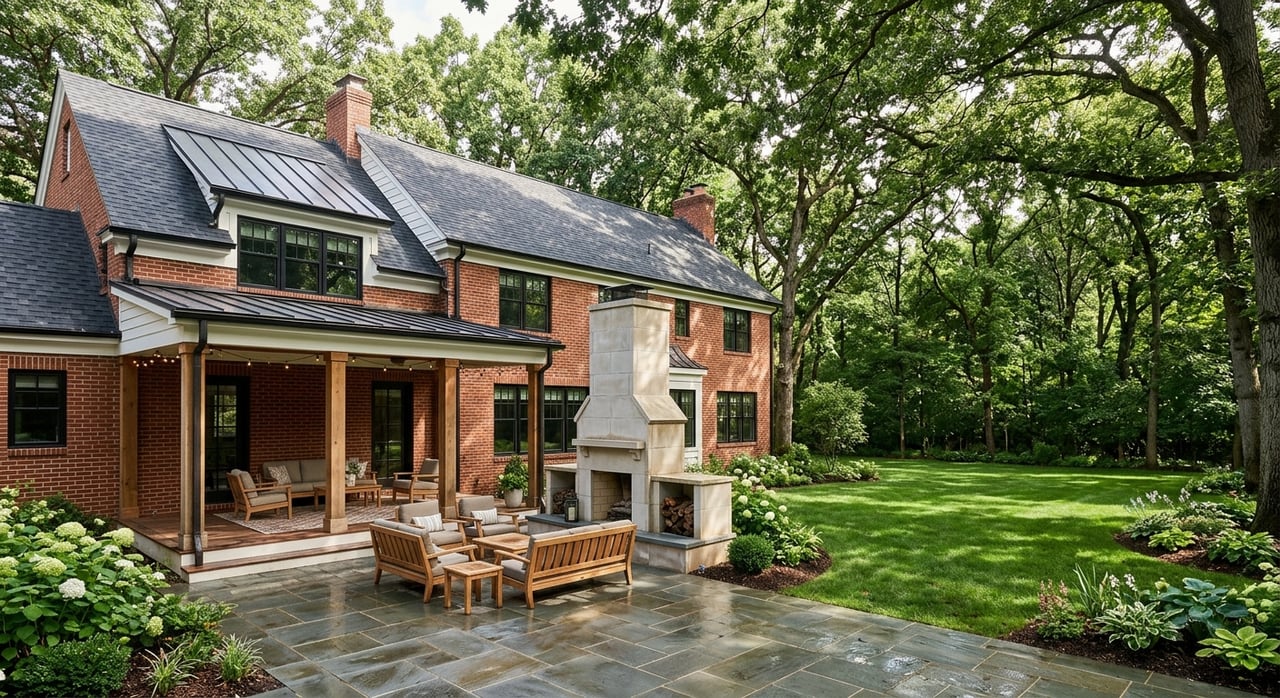
Building your dream home on land in Eads can feel exciting right up until one question changes everything: can you actually build on that parcel the way you want to? If you are looking at raw land or acreage, the biggest risks usually are not the floor plan or finishes. They are zoning, access, septic, utilities, and permit requirements. If you understand those pieces before you buy, you can move forward with far more confidence. Let’s dive in.
Start With Zoning First
When you are planning a custom build on land in Eads, the first step is to confirm the parcel’s actual jurisdiction and zoning. In this area, Fayette County’s zoning resolution applies to unincorporated parts of the county, and the official zoning map is kept in the Fayette County Register’s office at the courthouse.
That may sound basic, but it shapes everything that comes next. Before you think about house style, square footage, or outbuildings, you need to answer a more important question: is this parcel eligible for the use you have in mind? Fayette County’s rules make it clear that a building permit does not waive zoning or subdivision noncompliance.
Evaluate Buildability Before You Buy
A beautiful piece of land is not automatically a build-ready homesite. In Eads and greater Fayette County, the smartest approach is to treat land buying as a site-feasibility process first.
That means looking beyond the listing photos and asking practical questions about the parcel itself. A land purchase can look simple on paper while still carrying real hurdles once you start planning a custom home.
Check Road Access Carefully
Access is one of the first items to review. Fayette County defines a road as a public or private right-of-way built to county subdivision standards or approved by the regional planning commission.
The county also distinguishes between public roads and private roads. A public road is maintained by the county or TDOT, while a private road is not. That difference can affect your driveway planning, maintenance expectations, and how the parcel functions during permitting.
If the tract fronts a state or federal highway, access gets even more important. Fayette County says vehicular access design must be reviewed and approved in writing by Public Works and the appropriate highway official.
Understand Whether the Parcel Involves a Subdivision Issue
Subdivision status can affect whether a lot is considered compliant for building. Fayette County defines a subdivision as a division of land that creates a lot under five acres for sale or building development, or a division that requires new road or utility construction.
This matters because a parcel that looks straightforward may still trigger subdivision review depending on how it was created. Before you commit to the property, you want clarity on whether the lot already meets county rules as a buildable tract.
Ask About Septic Early
For many acreage buyers, septic feasibility is one of the biggest due-diligence items. Fayette County’s permit guide states that septic approval is required before the county will issue a building permit for any project that will generate wastewater.
Just as important, the county says no clearing or grading should occur before the wastewater disposal permit is issued. In practice, that means septic is not a box to check later. It is a major early decision point.
The septic process is also separate from the county building permit. The Tennessee Division of Water Resources posts SSDS permits for septic installation and repair, so you should expect a separate state process tied to wastewater approval.
Confirm Utility Availability by Parcel
Utility service in Fayette County is not one-size-fits-all. A local utility guide notes that homes and businesses in unincorporated areas and cities not otherwise listed often rely on private wells for water and individual septic systems for sewer.
The same guide lists Chickasaw Electric for electricity, Somerville Gas & Water for most areas north of Highway 64 and outside Gallaway, and Hardeman-Fayette Utility District for most areas south of Highway 64 and outside Somerville. The Town of Somerville also notes that its water system serves about 1,900 customers across Fayette County, which is a good reminder that water availability is parcel-specific.
In other words, never assume a nearby home means your lot has the same service options. For a custom build, you need to verify who actually serves the site and what extension costs or connection conditions may apply.
Plan for Site Readiness
Before you even get deep into permitting, Fayette County expects some basic site preparation on paper and on the ground. The county’s permit guide says applicants should visibly mark the property at the road and mark or stake the proposed dwelling location before visiting the planning office.
That tells you something important about the process. The county is reviewing a real site plan, not just a general idea. For most buyers, that means a survey, a rough site layout, and an early plan for house placement should happen during land evaluation, not after closing.
The county’s later guide also says house plans should show heated and unheated square footage and plumbing fixtures. So even if you are still refining design details, you will need a plan set with meaningful information before permits move forward.
Know the Permit Sequence
In Eads and Fayette County, the order of operations matters. If you approach the process in the right sequence, it is much easier to budget time and avoid surprises.
A Practical Order to Follow
Here is the most effective way to think about a custom build site:
- Confirm zoning and jurisdiction
- Verify access and road status
- Review subdivision compliance
- Evaluate septic feasibility
- Confirm utility availability
- Prepare site marking and basic plans
- Work through permit applications and fees
This sequence reflects how the county’s process works. It is why site feasibility usually deserves more attention than architectural wish lists in the early stages.
Work With the Planning and Development Office
Fayette County’s permit guide says the Planning and Development Office in Somerville helps applicants with both the state wastewater permit and the county building permit. County materials list the office at 16265 U.S. Highway 64 in Somerville.
The guide also advises against trying to bypass the office with an online application because zoning and subdivision review can affect eligibility. That is a strong signal that local review is not just paperwork. It is part of determining whether the project can move ahead as planned.
Budget for Permit Fees and County Tax
Permit costs should be part of your early budget, not a last-minute add-on. Fayette County’s posted 2022 guide lists residential building permit fees and an Adequate Facilities Tax rate of $0.99 per heated square foot for residential projects, plus separate permit fees.
Because fee schedules can change, you should treat those numbers as posted county-guide figures and recheck the latest office instructions before closing on land or finalizing plans. That simple step can protect your budget from avoidable surprises.
Do Not Overlook Electrical Permits
Electrical work is separate from the county building permit. Fayette County’s permit guide says electrical permits must be obtained separately, and Tennessee’s State Fire Marshal’s Office runs a separate residential permit system through CORE in areas covered by the state program.
The practical takeaway is simple: confirm who handles the electrical permit before construction starts. Do not assume it is automatically folded into the main building permit.
Budget for the Right Unknowns
When buyers picture a custom home, they often focus on finishes, fixtures, and design upgrades. On raw land, though, the larger unknowns are often outside the house itself.
In this part of Fayette County, the more important variables may include:
- Clearing and grading
- Driveway length and design
- Culvert and drainage needs
- Utility runs and service extensions
- Septic feasibility
- Access approval
If the parcel fronts a major road, driveway and drainage planning become especially important because Public Works is involved in access review and culvert sizing. These are the types of costs that can materially change your total investment.
Build Your Team Early
A successful land purchase usually depends on getting the right people involved before you commit. Based on Fayette County’s rules and process, that often includes a land-savvy real estate professional, surveyor, septic consultant or soil professional, builder, lender, title or closing attorney, and the relevant utility contacts.
Each one helps answer a different buildability question. The goal is not to make the process feel complicated. The goal is to uncover issues early, while you still have time to make an informed decision.
Questions to Ask Before Buying Land in Eads
If you are comparing parcels, a few practical questions can save you time and money. These questions map directly to the county’s zoning, access, and permit requirements.
Ask These Before You Commit
- Can this lot support a septic system?
- Is the driveway on a public road or a private drive?
- Is the parcel already a compliant lot under county subdivision rules?
- Which utility providers actually serve the site?
- Are there recorded covenants or restrictions that affect home size, outbuildings, or drive length?
- If the property fronts a state or federal highway, what access approvals are required?
These are not small details. They help determine whether a parcel is truly ready for the custom build you have in mind.
Why This Process Matters in Eads
Eads attracts buyers who want more land, more privacy, and room to create a home that fits their long-term goals. That can be a great fit for a custom build, especially if you are thinking in terms of estate living, outbuildings, or a more tailored homesite.
But with acreage, confidence comes from due diligence. In Fayette County, the smoothest path is usually zoning first, then access, then septic and utilities, then plans and permits. When those pieces line up, the design conversation becomes much easier and much more enjoyable.
If you are exploring land in Eads and want a clear-eyed, data-driven approach to what is actually buildable, Carrie Benitone can help you evaluate acreage with the right questions before you move forward.
FAQs
What should you check first before planning a custom build in Eads?
- You should first confirm the parcel’s county jurisdiction and zoning, because Fayette County’s rules determine whether the lot can be used as planned.
Does Fayette County require septic approval before a building permit?
- Yes. Fayette County’s permit guide says septic approval is required before a county building permit is issued for a project that generates wastewater.
Can you clear land before septic approval in Fayette County?
- No. The county’s permit guide specifically says no clearing or grading should occur before the wastewater disposal permit is issued.
Why does road access matter for land in Eads?
- Road access matters because Fayette County distinguishes between public and private roads, and highway frontage may require written access approval from Public Works and the appropriate highway official.
Are utilities the same for every parcel in Eads and Fayette County?
- No. Utility availability is parcel-specific, and some properties in unincorporated areas may rely on private wells and individual septic systems.
What fees should you budget for when building in Fayette County?
- You should budget for residential building permit fees and the posted Adequate Facilities Tax, which the county’s 2022 guide lists at $0.99 per heated square foot, while also rechecking current figures before moving forward.
