Trying to choose between Midtown and Downtown Memphis condo living? The right fit often comes down to how you want your day-to-day life to feel. If you are weighing walkability, housing style, parking, and monthly costs, this guide will help you compare both areas with a clear, practical lens. Let’s dive in.
Midtown vs Downtown at a Glance
Both Midtown and Downtown sit within Memphis’ Core City planning area, which the City of Memphis describes as having one of the city’s broadest mixes of housing. That variety is a big reason buyers often consider both areas at the same time.
The difference is not just location. It is also the type of building, the pace of daily life, and the way your routine may flow once you move in. In simple terms, Downtown often feels more vertical and urban, while Midtown often feels more neighborhood-based and corridor-driven.
Downtown Condo Living
Building Style and Setting
Downtown Memphis tends to offer the more classic urban condo or loft experience. According to the Downtown Memphis Commission, recent and notable projects include adaptive-reuse lofts, apartment buildings, and mixed-use developments such as Pressbox Lofts, South Main Artspace Lofts, Museum Lofts, 266 Memphis Lofts, and The Landing at One Beale.
That project mix matters because it shapes the overall feel of the area. The DMC also describes the Core District as a place of enterprise, activity, taller buildings, loft-style living, and river views. If you picture condo living as an elevator building, a structured parking setup, and a more concentrated city environment, Downtown is often the closer match.
Daily Routine and Lifestyle
Downtown is the stronger choice if you want many destinations clustered close together. The DMC’s Downtown virtual tour highlights South Main, the Edge District, the Riverfront District, and Beale Street as places where architecture, art, dining, parks, businesses, entertainment, and everyday activity intersect.
For many buyers, that means a more event-oriented routine. You may be closer to riverfront paths, restaurants, entertainment venues, and mixed-use blocks where residential and commercial spaces sit side by side. If you want to walk to the river, head out to dinner, or live near major attractions, Downtown can offer that convenience.
Parking and Transportation
One practical point buyers should not overlook is parking. The Downtown Mobility Authority coordinates parking policy and manages or owns several garages, which tells you that parking Downtown is often a formal part of daily life rather than something you figure out casually.
That can be a plus if you value structured access and clear systems. It can also mean you will want to look closely at whether a building includes assigned parking, guest parking, or separate garage arrangements as part of your buying decision.
Transit also deserves a reality check. While Memphis has bus, paratransit, and trolley infrastructure through MATA, the agency’s official safety plan states that trolley service has been suspended since August 2024 due to safety concerns. If trolley access was part of your Downtown vision, it is important to plan around current service conditions instead.
Midtown Condo Living
Building Style and Neighborhood Feel
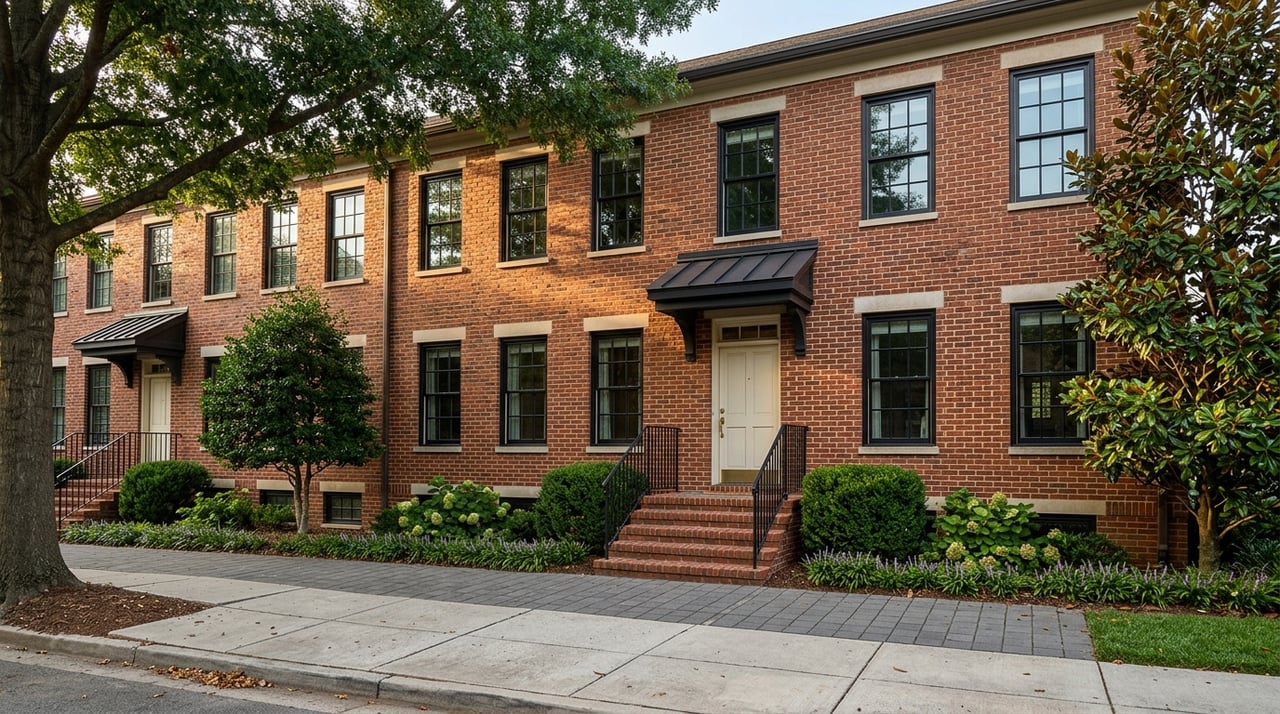
Midtown generally offers a different kind of condo experience. Public planning and recent housing examples point more toward neighborhood-scale infill, townhomes, duplexes, fourplexes, and smaller multifamily housing rather than large towers, according to the City of Memphis middle-income housing update.
That difference shapes the feel of Midtown in a meaningful way. Instead of one dense central core, you are more likely to find residential streets, smaller-scale buildings, and homes that blend into established neighborhood patterns. If you want condo or townhome living that feels tied to a residential setting, Midtown may be the better fit.
Culture, Dining, and Walkability
Midtown’s appeal is often about connected neighborhoods and activity corridors rather than one concentrated downtown center. MidtownMemphis.org highlights the organization’s work around Overton Square, Cooper-Young, Broad Avenue Arts District, and Madison Avenue, with an emphasis on local business, local culture, walkability, trees, and public art.
That means your routine may feel more spread out, but also more neighborhood-driven. You might have a favorite restaurant corridor, a walkable stretch near your building, or easy access to arts and gathering spaces without the same event-heavy pace you may find Downtown.
Midtown also stands out for its tree canopy and pedestrian-focused improvements. Midtown Memphis notes that the area is known for a substantial canopy and cooler walking conditions, which can shape the feel of everyday outdoor movement in a very real way.
Commute Patterns and Access
Midtown often works best when your daily routine is tied to central neighborhoods and key corridors. Midtown Memphis’ Memphis 3.0 work emphasizes walkable neighborhoods, urban reinvestment, improved public transit, and smart infill.
For buyers, that usually translates into a location choice based on where you spend the most time. If your week revolves around the Medical District, Overton Square, Cooper-Young, or nearby central Memphis destinations, Midtown may offer a more natural fit.
How the Lifestyle Difference Feels
If you are torn between the two, it helps to think beyond the listing photos. Ask yourself what kind of rhythm you want your home base to support.
Downtown often fits buyers who want:
- Loft-style or mid-rise living
- A more concentrated urban environment
- Easy access to riverfront destinations
- Dining and entertainment in a tighter core
- A routine that feels active and city-centered
Midtown often fits buyers who want:
- A more residential setting
- Smaller-scale condo or townhome options
- Access to restaurants and arts districts across several corridors
- Walkability within neighborhood pockets
- A home base with more of a classic neighborhood feel
Neither is better across the board. The better choice is the one that aligns with how you actually live.
Budget Beyond the Mortgage
No matter which area you choose, condo living means looking beyond principal and interest. The Consumer Financial Protection Bureau notes that HOA dues can range from a few hundred dollars per month to more than $1,000, and buyers may also face special assessments.
The CFPB also points out that condo insurance can be more complex and that lenders may charge slightly more for condo loans than for some other property types. In other words, two condos with similar list prices may carry very different monthly ownership costs once dues, insurance, and financing are factored in.
Property taxes matter too. The City of Memphis tax information page explains that city taxes are billed annually, become delinquent after August 31, and that residential property is assessed at 25% of appraised value. The city’s ePayments site listed the 2025 Memphis tax rate at $2.58081 per $100 of assessed value.
When you compare Midtown and Downtown options, it is smart to build a full monthly ownership picture that includes:
- Mortgage principal and interest
- HOA dues
- Insurance
- Property taxes
- Parking costs, if separate
- Any planned or possible assessments
Questions to Ask Before You Buy
Ask About Building Type
Start with the physical living experience. Is the property in a loft conversion, a mixed-use building, a townhome-style community, or a smaller infill development? That answer will shape everything from privacy to noise to maintenance expectations.
Ask About Parking Setup
Parking can affect convenience more than buyers expect. Confirm whether parking is deeded, assigned, leased separately, covered, or located in a garage managed outside the HOA.
Ask About HOA Scope
Not all dues cover the same things. Ask what the HOA fee includes, whether there have been recent special assessments, and whether any major building improvements are planned.
Ask How the Location Supports Your Routine
This is where many smart decisions are made. Think about where you work, where you like to spend weekends, how often you entertain, and whether you want a more energetic city setting or a more neighborhood-oriented home base.
Which One Is Right for You?
If you want a condo that feels urban, connected to major destinations, and close to riverfront and entertainment activity, Downtown Memphis may be the stronger fit. If you want a condo or townhome that feels more rooted in neighborhood context, with local business corridors and a more residential street pattern, Midtown may suit you better.
The key is to compare not just price and square footage, but also the lifestyle tradeoffs behind each address. That is where a data-driven local guide can make the process far more efficient.
If you are comparing Midtown and Downtown condo options, Carrie Benitone can help you evaluate the numbers, the location fit, and the day-to-day realities so you can buy with confidence.
FAQs
What is the main difference between Midtown and Downtown Memphis condo living?
- Downtown usually offers a denser urban setting with lofts, mixed-use buildings, riverfront access, and concentrated entertainment, while Midtown usually offers a more residential feel with smaller-scale infill, townhomes, and neighborhood-based corridors.
Is Downtown Memphis better for walkability than Midtown Memphis?
- Downtown often has more destinations clustered in one central area, while Midtown walkability is more corridor-based and tied to places like Overton Square, Cooper-Young, Broad Avenue, and Madison Avenue.
Are condo buildings in Midtown Memphis different from Downtown Memphis buildings?
- Yes. Based on planning and development examples, Downtown more often features loft-style and mid-rise urban buildings, while Midtown more often features neighborhood-scale infill, townhomes, duplexes, and smaller multifamily formats.
What extra costs should you budget for when buying a Memphis condo?
- In addition to your mortgage, you should budget for HOA dues, insurance, property taxes, possible special assessments, and any parking-related costs that are not included.
Is Memphis trolley service available for Downtown condo owners?
- No. MATA states that trolley service has been suspended since August 2024, so buyers should plan around current bus and other transportation options instead.
