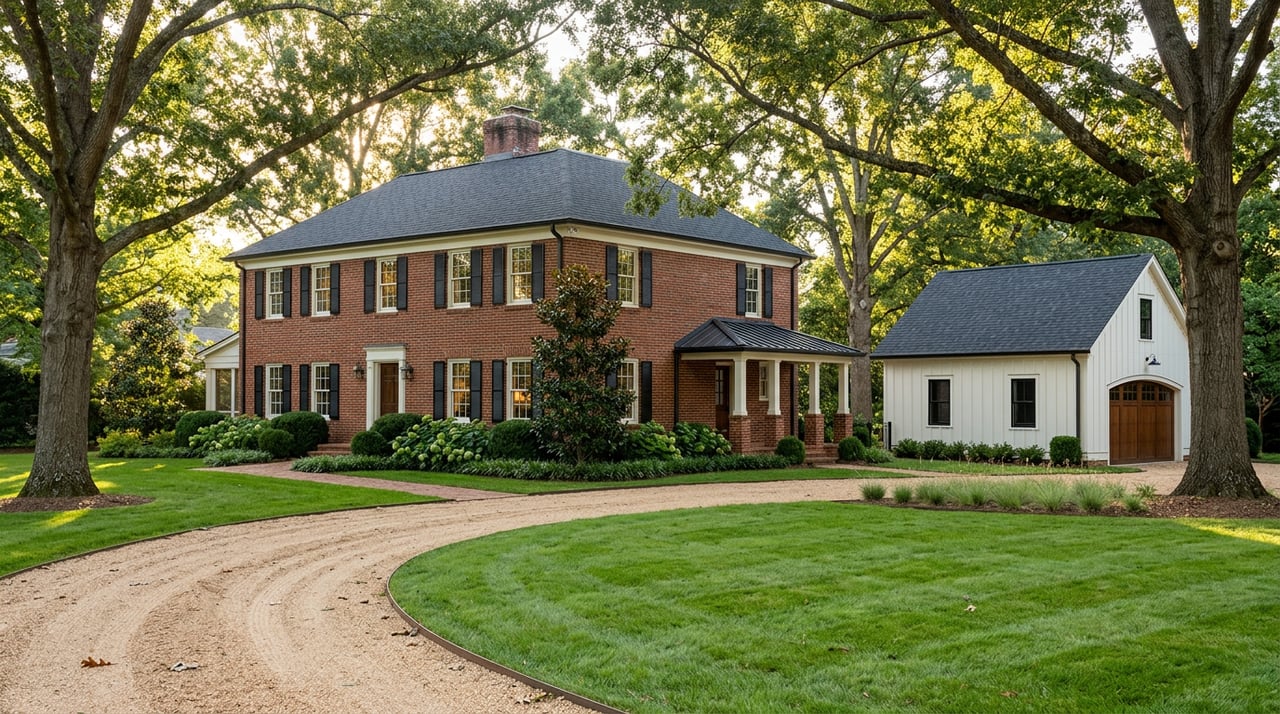
Craving more space, privacy, and room to live your lifestyle? Eads offers just that, with estates and acreage that feel a world away yet stay connected to Collierville and Memphis. Buying land here is different from buying a neighborhood home, so a little prep goes a long way. In this guide, you’ll learn how to confirm the right county, understand wells and septic, check zoning and access, and frame value like a pro. Let’s dive in.
Eads at a glance
Eads is an unincorporated community where the 38028 ZIP can fall in either Shelby County or Fayette County. That matters because permits, taxes, schools, and health department rules follow the county on record. You can read a quick overview of the community on the Eads page at Wikipedia, then confirm the county on the deed or parcel ID.
Major routes like US 64 and I 269 give fast access to Collierville and Memphis. Parcels closer to these corridors can have higher development potential and stronger buyer demand. For county zoning maps, planning contacts, and links to flood and long range plans, start with Fayette County Planning & Development.
Estate and hobby farm property types
Small hobby acreage (about 2–20 acres)
Buyers often seek privacy, pasture, and space for a barn or garden. Many of these parcels are wooded or mixed woods and pasture, with private well and septic. You can see examples of 2–10 acre listings in the area on LandSearch for Eads.
Medium farms and equestrian properties (10–50+ acres)
Expect paddocks, barns, riding arenas, and drilled wells. Sellers sometimes highlight current use tax status (often called Greenbelt), fenced pasture, and on site improvements. Utility service can vary by structure, so always verify which buildings have meters.
Large estates and working farms (50–200+ acres)
Properties can include timber, hunting, crop ground, lakes, or full equestrian facilities. Parcels near I 269 or Collierville often carry higher per acre values, especially when improved.
Utilities and site services: what to verify
Wells (private water)
Private wells are common on acreage. Tennessee sets driller licensing and well construction standards through TDEC. As a buyer, ask for the driller completion report, confirm the driller is licensed, and plan for water testing. Learn the basics from TDEC’s private well guidance. Since private wells are not regulated like public systems, you are responsible for ongoing testing and maintenance.
Septic (onsite sewage)
If there is no public sewer, you will likely need a permitted subsurface sewage system. In Shelby County, the health department’s septic FAQ notes a minimum lot size of two acres when sewer is not available (easements and ponds do not count). That two acre rule is a key screening step for smaller tracts. Read the rule in the Shelby County Health septic FAQ. For Fayette County parcels, contact county planning and health to confirm local permitting steps and system options.
What to expect: a site evaluation and soils mapping, application submission with fees, marked field lines for inspection, then approval and final inspection at installation. Costs vary by design and soils. Alternative systems can be required if soils are poor.
Power, gas, and water at the road
Many Eads area parcels fall within or near the Memphis Light, Gas & Water service area. Some rural properties are on electric co ops or need a line extension. Confirm if power, gas, and water are live at the parcel, which structures have meters, and any extension costs with MLGW.
Access and driveways
If your parcel fronts a state route, expect a TDOT encroachment or access permit. For county roads, driveway and culvert permits come through county public works. Budget for culvert sizing, driveway construction, and right of way conditions. Fayette County publishes public works contacts and related permits on its Planning & Development page.
Floodplain, wetlands, and soils
Always check flood maps before you finalize a building site. County planning pages link to FEMA maps. For soils, start with the USDA NRCS Web Soil Survey to screen for septic suitability and buildable areas, then follow up with on site soils work for your septic design. Access the mapping tool at the NRCS Web Soil Survey.
Zoning and permitted uses
Start every land purchase with a short list:
- Confirm the county of record and parcel ID.
- Pull the current zoning classification and any overlays.
- Note minimum lot sizes, setbacks, and whether public sewer is nearby.
- Ask about permitted uses for barns, arenas, home based businesses, and any special use permits.
For Fayette County maps, zoning rules, and contacts, go to Fayette County Planning & Development. If your parcel is in Shelby County, the Memphis and Shelby County Unified Development Code is under active update. Check the latest drafts and maps at the 901 UDC Update site. Always document who you spoke with and verify zoning as of the date you call.
If you plan to create multiple home sites or sell off tracts later, study subdivision and frontage rules before you write an offer. The permitted uses and process details are laid out in the county’s Zoning Resolution.
A quick call script that gets answers
Have your parcel ID and address ready. Then ask:
- What is the current zoning, minimum lot size, and setback for this parcel?
- Are there any overlays or special districts that apply?
- Is public sewer available or planned nearby, and what are the steps to connect?
- What is on file for septic and well permits or soils evaluations?
- Who issues driveway or access permits for this road frontage?
- Are there any active rezonings or code updates that could affect this parcel?
Valuation and carrying costs
Per acre pricing in Fayette and eastern Shelby varies widely. Location, improvements, water features, and development potential all move the needle. Market snapshots show Fayette County land trading across a broad range, with higher per acre numbers near Eads and Collierville when parcels are improved and close to amenities. For a high level view, browse Land.com’s Fayette County market insights, then focus on very local sales for your target acreage size and use.
Why per acre price varies here
- Utilities at the building site vs at the road (line extensions reduce value).
- Improvements like barns, fenced pasture, arenas, interior roads, and living quarters.
- Soil and topography that determine septic suitability and buildable acreage.
- Development potential tied to zoning and frontage on major corridors like I 269 and US 64.
- Tax treatment. Tennessee’s current use (Greenbelt) program can lower assessed value for qualifying agricultural, forest, or open space land. Learn how it works from the CTAS Greenbelt overview. Always ask if a parcel is enrolled and understand rollback tax rules if the use changes.
Due diligence costs to budget
- Soils testing, septic design, and possible alternative systems.
- Well drilling, pump installation, and water quality testing.
- Driveway and culvert installation plus any access permits.
- Clearing, grading, and erosion control.
- Survey updates and title review for easements and rights of way.
Buyer checklist for Eads acreage
Use this as your quick win sequence:
- Confirm the county of record and parcel ID on the deed.
- Pull zoning and flood maps and note any overlays. Start with Fayette County Planning & Development.
- Ask the seller for septic permit history, recent inspections, and any soils maps. If none are available, order a site evaluation. For the two acre minimum rule in Shelby County, see the septic FAQ.
- Request the well driller completion report and schedule water testing as your lender requires. See TDEC well guidance.
- Call MLGW to confirm power, gas, and water availability, existing meters, and any line extension costs.
- Screen soils and buildable areas with the NRCS Web Soil Survey, then follow with on site soils work.
- Pull nearby comparable land sales and active listings by acreage size and use. Sites like LandSearch for Eads can help you see current inventory.
- If you plan to subdivide later, meet with county planning before you write an offer.
How we help you buy in Eads
Acreage purchases involve more moving parts than a typical in town home. You deserve a steady, data driven partner who understands both the lifestyle and the technical details. With a background in real estate finance and hands on land transactions across the Memphis metro, I help you verify zoning, model line extension and site work costs, and negotiate with clarity.
Whether you want a private 5 acre retreat or a turnkey equestrian estate, I will guide your search, coordinate due diligence, and position your offer with confidence. Ready to walk land in Eads and build a plan you can trust? Let’s connect with Carrie Benitone.
FAQs
Do Eads acreage properties usually have public sewer and water?
- Many acreage parcels rely on private wells and septic. Some parcels have municipal utilities at the road, so you should verify service and meters for each structure before you buy.
How big a lot do I need for a septic system in Shelby County?
- The county health department notes a general two acre minimum where no public sewer is available. Always confirm site specifics with the health department and your soils professional.
What is Tennessee’s Greenbelt program and why does it matter?
- It is a current use tax assessment for qualifying agricultural, forest, or open space land. It can lower annual property taxes, and rollback taxes can apply if the use changes.
Where can I check zoning, floodplain, and soils before I visit a property?
- Use county planning and zoning maps for the parcel, FEMA flood maps, and the NRCS Web Soil Survey for soils. Then verify details with county staff and on site evaluations.
How do highways like I 269 and US 64 influence value in Eads?
- Proximity to major routes can increase buyer appeal and development potential, which can support higher per acre pricing for improved parcels, especially near Collierville.
