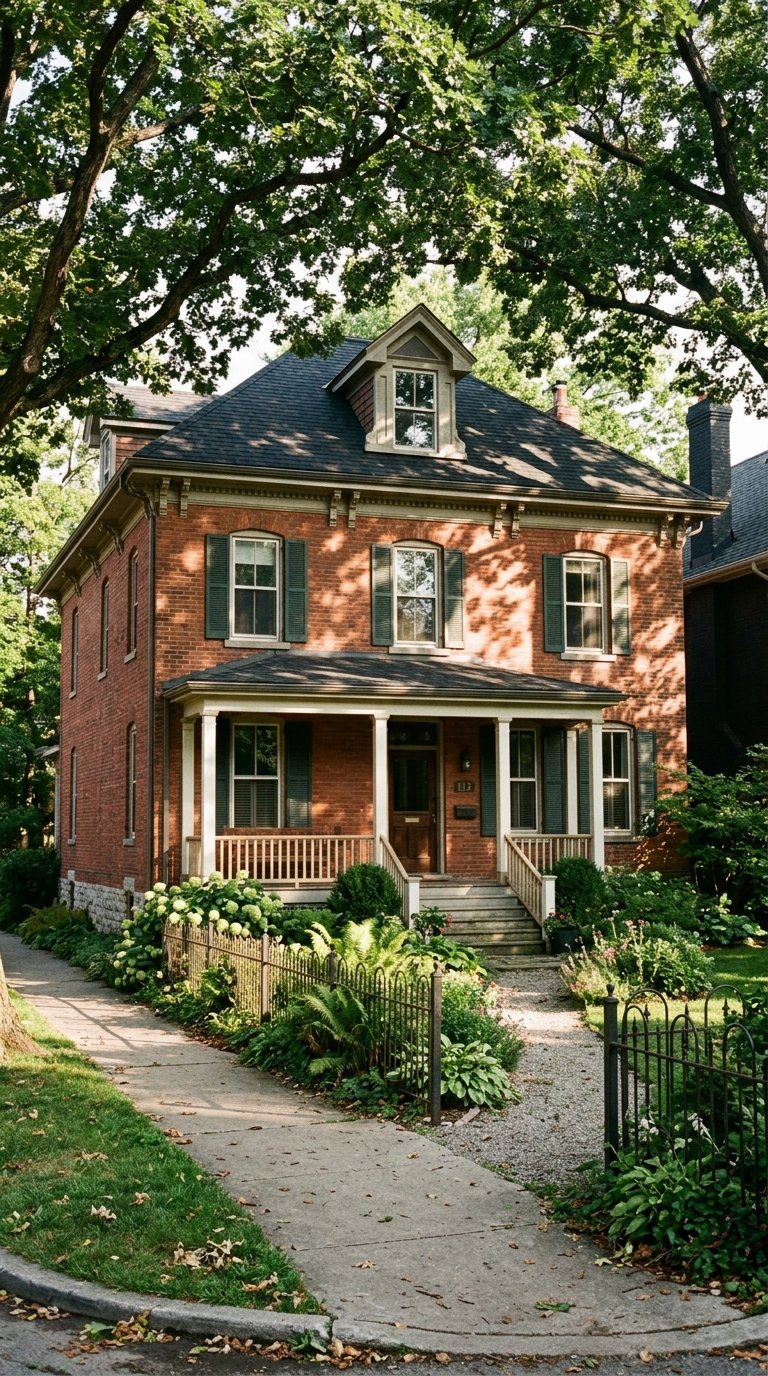
Looking for a Memphis neighborhood with real architectural character and a true sense of community? Central Gardens stands out for exactly that reason. If you are considering a move to Midtown, this guide will help you understand what daily life feels like, what kinds of homes you will see, and what to expect when buying an older property here. Let’s dive in.
Why Central Gardens Stands Out
Central Gardens is one of Midtown Memphis’s most established historic neighborhoods. According to the Central Gardens history page, much of the neighborhood was developed between 1900 and 1930, and the district is known for its preservation focus, mature trees, and residential setting.
That historic identity is not just about old homes. It is also part of how the neighborhood functions today. The neighborhood association highlights porch life, tree-lined streets, and a setting shaped by long-term stewardship, with more than 90 tree species across the area.
Community Life in Central Gardens
If neighborhood feel matters to you, Central Gardens offers a well-defined community rhythm. The Central Gardens Association lists recurring events like block parties, the annual meeting, the July 4 parade, the Home and Garden Tour, and the Wreath Run 5K.
Seasonal traditions also help shape the neighborhood experience. Recent association updates mention Halloween trick-or-treating and a 24/7 patrol operated by Phelps Security, which gives you useful context for how residents organize around events and shared services.
The annual Home and Garden Tour is especially telling. The 2025 tour centered on Central Avenue, showing how the neighborhood’s historic homes are not just private residences, but also part of a larger community identity.
Architecture You Will See Here
One of the biggest draws for buyers is the variety of home styles. The historic design guidelines from Shelby County identify Four Square homes as the most prevalent form in Central Gardens, with bungalows close behind.
You will also find a broad mix of styles, including Colonial Revival, Craftsman, Eclectic, Mediterranean Revival, Mission, Neoclassical, Prairie, Queen Anne, Tudor Revival, and Shingle. That mix gives the neighborhood a layered streetscape rather than a single repeated look.
If you want a better visual sense of the area, the self-guided Central Gardens walking tour begins at Peabody Avenue and South Belvedere Boulevard and highlights notable examples of these styles. Most buildings on the tour are private residences, which reinforces how strongly architecture shapes the neighborhood’s identity.
What Daily Life Looks Like
Central Gardens does not revolve around a large internal commercial district. Instead, daily life is shaped by its residential setting and its access to the rest of Midtown. The neighborhood history page notes that residents are only minutes by car, about 15 minutes by bike, and a bit longer on foot from destinations like the Memphis Zoo, Brooks Museum in Overton Park, Overton Square, Cooper-Young, Liberty Bowl Stadium, the Kroc Center, and the Children’s Museum of Memphis.
The same source also points to convenient access to Rhodes College, Christian Brothers University, the University of Tennessee Health Science Center Medical District, downtown Memphis, the river, the Museum of Science and History, the University of Memphis, and Audubon Park. For many buyers, that means you can enjoy a quieter residential atmosphere without feeling disconnected from the city.
Neighborhood institutions also play a visible role in the area’s character. According to the Central Gardens history page, churches and schools are part of the neighborhood fabric, including the Cathedral of the Immaculate Conception, Grace-St. Luke’s, Idlewild Elementary, Idlewild Presbyterian, St. John’s Methodist, Central Christian, and Central High.
Who Central Gardens May Fit Best
Central Gardens can be a strong fit if you value historic character, established landscaping, and a neighborhood with active community involvement. It may especially appeal to buyers who want a home with architectural detail and a Midtown location close to parks, museums, and other Memphis destinations.
It can also be a good match if you are comfortable with the realities of older-home ownership. That includes routine maintenance, preservation review for certain exterior projects, and renovation planning that respects the home’s age and context.
What Buyers Should Know About Historic Rules
This is one of the most important parts of buying in Central Gardens. The neighborhood is both a National Historic District and a local Historic Overlay District, which means some exterior work that requires a permit must first receive a Certificate of Appropriateness from the Memphis Landmarks Commission, as explained on the Central Gardens website.
The design guidelines make clear that approval is required for projects such as new construction, additions, enclosures, relocation, and demolition review. They also note that code enforcement will not issue a permit without that approval when it is required.
That does not mean every update must mimic the past. According to the district design guidelines, new work does not have to look old, but it should fit the block’s massing, scale, form, and setbacks.
The same guidelines also show that parking and secondary structures are expected to remain subordinate to the main house. Rear-access patterns are more typical here than front-facing garage dominance, which is helpful to know if you are evaluating renovation or addition plans.
Older Homes Need Ongoing Care
Historic homes can be deeply rewarding to own, but they do require attention. The National Park Service notes that maintenance is the most cost-effective preservation treatment for historic buildings.
In practical terms, that means routine inspection matters. Roofs, gutters, downspouts, attics, basements, and crawlspaces should all be checked regularly, and it is wise to work with contractors who understand historic buildings.
If you are buying in Central Gardens, it helps to budget for maintenance early and ask detailed questions during your due diligence period. Older materials, original features, and past repairs can all affect both short-term costs and long-term planning.
Lead Paint Is a Real Consideration
Because much of Central Gardens was built from 1900 to 1930, many homes here fall into an age range where lead-based paint is a practical concern. The EPA states that homes built before 1978 may contain lead-based paint, and 87 percent of homes built before 1940 have some lead-based paint.
For buyers, that means lead disclosure and lead-safe renovation practices should be part of your planning if you intend to update or remodel. This does not mean every property will present the same level of risk, but it does mean you should approach improvements with informed expectations.
Smart Questions to Ask Before You Buy
If you are serious about Central Gardens, come prepared with questions that go beyond finishes and square footage. Older homes and historic districts reward buyers who look carefully.
Consider asking about:
- The age and condition of the roof
- Drainage, gutters, and downspout performance
- Foundation history and crawlspace or basement conditions
- Past exterior renovations and whether permits or approvals were obtained
- Window condition and repair history
- HVAC, plumbing, and electrical updates
- Known lead paint disclosures for the property
- Any planned projects that may require historic review
These questions can help you understand not just the home itself, but also the level of stewardship it may need after closing.
Why Guidance Matters in Central Gardens
In a neighborhood like Central Gardens, buying well means balancing lifestyle goals with property-specific details. You are not just choosing a location. You are also evaluating architecture, maintenance realities, historic overlay requirements, and how a particular home fits your plans.
That is where informed guidance can make a real difference. A data-driven approach helps you assess value, understand likely ownership costs, and move forward with a clearer strategy.
If you are thinking about buying or selling in Midtown and want a thoughtful, fact-based perspective on Central Gardens, Carrie Benitone can help you navigate the market with clarity and care.
FAQs
What is Central Gardens in Memphis known for?
- Central Gardens is known for its early-20th-century homes, mature trees, preservation focus, and active neighborhood association in Midtown Memphis.
What architectural styles are common in Central Gardens?
- Common styles in Central Gardens include Four Square, bungalow, Colonial Revival, Craftsman, Eclectic, Mediterranean Revival, Mission, Neoclassical, Prairie, Queen Anne, Tudor Revival, and Shingle.
What should buyers know about historic rules in Central Gardens?
- Buyers should know that certain exterior projects requiring permits may also need a Certificate of Appropriateness from the Memphis Landmarks Commission because Central Gardens is a local Historic Overlay District.
What maintenance issues matter when buying an older Central Gardens home?
- Buyers should pay close attention to roofs, gutters, downspouts, attics, basements, crawlspaces, and the quality of past repairs, since routine maintenance is especially important in historic homes.
Is lead-based paint a concern in Central Gardens homes?
- Lead-based paint can be a concern because many Central Gardens homes were built between 1900 and 1930, and older homes are more likely to contain it according to EPA guidance.
What amenities are near Central Gardens in Midtown Memphis?
- Nearby amenities include the Memphis Zoo, Brooks Museum in Overton Park, Overton Square, Cooper-Young, Liberty Bowl Stadium, the Kroc Center, the Children’s Museum of Memphis, downtown Memphis, and Audubon Park.
